Science for a Healthier Tomorrow

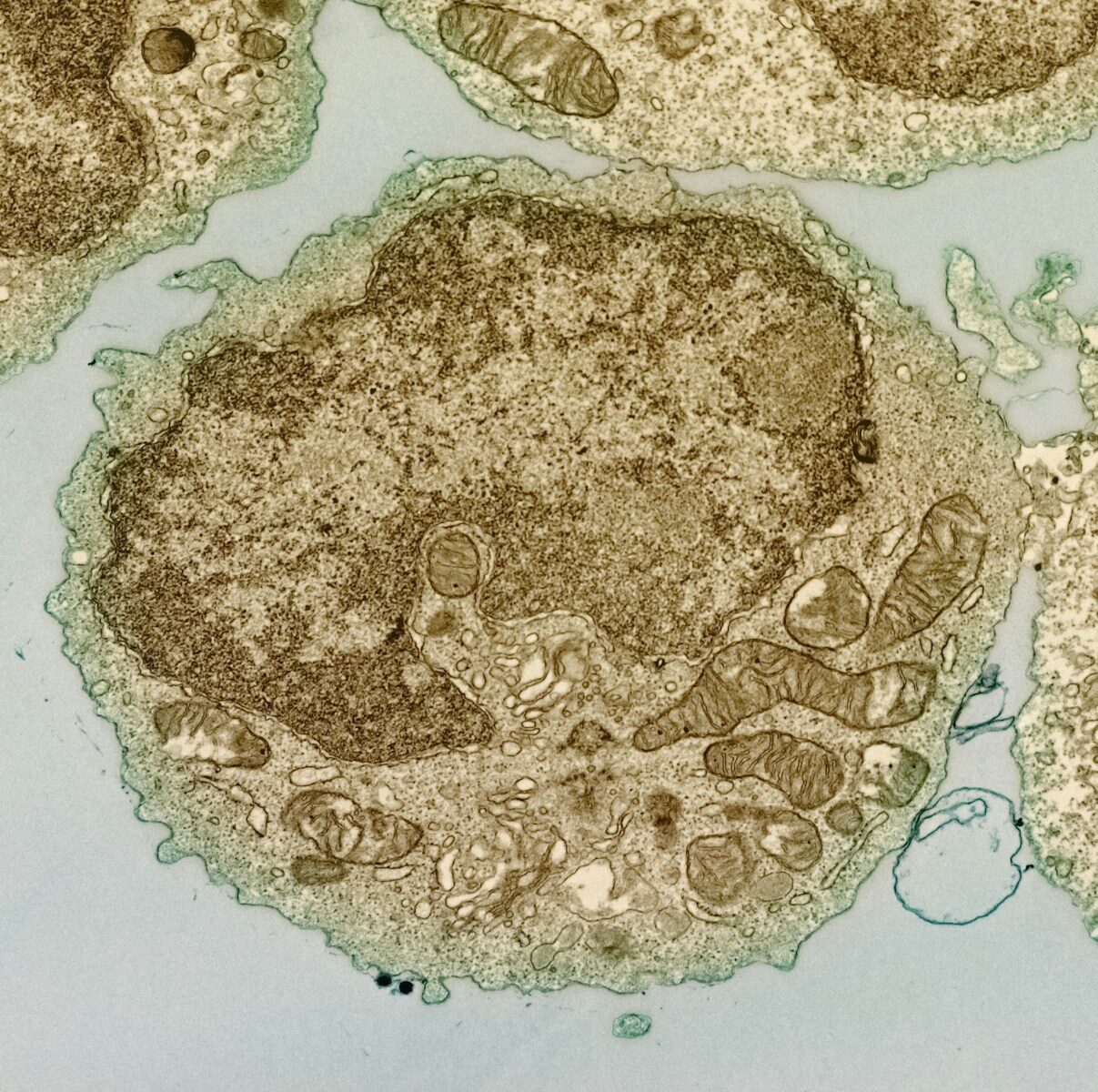

People with detectable brown fat had lower odds of type 2 diabetes and heart disease, and people prescribed losartan were more likely to have it — but the metabolic effect of the drug has been shown only in mice.
A study of 101,243 people scanned with PET-CT at a US cancer center found lower odds of type 2 diabetes and heart disease in people with detectable brown fat. People prescribed losartan were more likely to have brown fat, but the drug’s effect on heat production is documented only in mice and cells.
What this means
In a retrospective cohort of 101,243 adults scanned at a US cancer center, detectable brown fat was associated with lower odds of type 2 diabetes (odds ratio 0.42) and heart disease. Losartan prescription was associated with higher odds of having brown fat (odds ratio 1.36), but that is a correlation between prescriptions and scans, not an experiment. The evidence that the drug switches on the fat’s heat program comes from mice and brown fat cells grown in the lab; no human study has tested whether it raises energy expenditure or causes weight loss. That makes it a clue, not a reason to change a blood pressure medicine.
What the scans can and cannot show
Gómez-Banoy and colleagues studied 101,243 people who had an 18F-FDG PET-CT at Memorial Sloan Kettering Cancer Center, mostly for cancer diagnosis or follow-up; scans were clinical, without a research cold-exposure protocol. Brown fat appeared in 8,897 patients, compared with 17,405 patients without it, matched by propensity score on age, sex, body mass index and ambient temperature. Each person contributed one index scan and one set of diagnosis codes drawn from the medical record, with a collection window reaching up to a year after the scan: a snapshot of records, not a tracked follow-up.
The diabetes and heart findings
After adjustment for cancer site, stage, treatment and outpatient drugs, people with brown fat had lower odds of type 2 diabetes: odds ratio 0.42 (95% CI 0.35 to 0.50). Lower odds also appeared for chronic ischemic heart disease (0.53, 0.44 to 0.62) and hypertension (0.79, 0.73 to 0.85). Among the 8,709 patients whose brown fat activity was quantified, higher activity tracked with lower prevalence of type 2 diabetes, atrial fibrillation, coronary artery disease and heart failure. These are odds ratios, not risk reductions: each compares the odds of a diagnosis in one group with the other group’s odds.
Where the losartan headline came from
One headline read “Blood pressure drug losartan boosts metabolism by stimulating brown fat”. That sentence describes the mouse and cell work, not the human cohort. The human result is narrower. In a screen of 125 medications, patients prescribed losartan had higher odds of having detectable brown fat, odds ratio 1.36 (95% CI 1.13 to 1.63); valsartan pointed the same way, while atenolol, propranolol and fluoxetine went the other way. Thirty-nine drugs were linked to brown fat status; the p-values reported for that screen are not marked as adjusted for multiplicity, although the paper’s methods say Benjamini-Hochberg false discovery rate correction was used for p values where applicable, and a supplementary table holds the full list.
In mice and in cells
Everything showing the drug acting on brown fat itself is preclinical: mouse or cell work, not tested in people. In brown adipocytes grown in culture, losartan at 50 micromolar raised Ucp1 RNA to a level comparable to norepinephrine. Mice given 100 mg per kg per day, far above the 50 mg a day recommended for people (the maximum recommended dose is 100 mg), had higher energy expenditure and oxygen consumption than controls during a cold challenge at 4 degrees Celsius, 7 mice versus 5. Body weight did not differ, and neither did respiratory exchange ratio or activity; food intake showed no significant difference, with the paper noting a trend toward higher intake in the losartan mice.
Why lower odds is not protection
The design is retrospective: diagnosis codes were drawn from the same record as the scan, with a window reaching up to one year after it, so the direction of any effect is unresolved. ARBs are prescribed for high blood pressure, and blood pressure, body mass index, age and cancer treatment all relate to brown fat, so prescriptions and brown fat could both reflect the same health. Detection relied on routine cancer scans without cold exposure, which, the authors say, potentially underestimates BAT prevalence; brown fat was more common with breast or oral cavity cancer, and tumor or treatment effects cannot be excluded. The psychiatric results — depressive episodes, anxiety, sleep disorders — are exploratory and rest on diagnosis codes, not interviews.
Where this fits
The study is the largest cohort of its kind. A 2021 study by the same group covered 52,487 patients and 134,529 scans and found the same pattern for diabetes, dyslipidemia, coronary artery disease and heart failure; the new paper adds the larger sample, AI quantification by depot, a systematic medication screen and the psychiatric associations. The human drug question has not moved: in 12 healthy men, a different drug, the beta3-agonist mirabegron, raised brown fat glucose uptake and resting metabolic rate by 203 kilocalories a day, about 13%, after a single dose. No drug has been shown to produce lasting brown fat activation, weight loss or better outcomes in people. Funding came from NIH grants and several foundations; one author has advised biotechnology and cultivated-fat companies, none of which supported the research. Nothing here is a reason to start, stop or switch a blood pressure medicine.
Terms explained
- Brown adipose tissue (brown fat): fat that releases chemical energy as heat instead of storing it.
- 18F-FDG PET-CT: a scan pairing a CT image with a radioactive glucose tracer; tissues that take up a lot of glucose, including active brown fat, show up.
- Propensity-score matching: a method that builds a comparison group resembling the group of interest on measured traits such as age, sex and body mass index; unmeasured traits stay unbalanced.
- Odds ratio: a ratio of the odds of an outcome in one group to the odds in another; below 1 means lower odds in the first group.
- Angiotensin receptor blocker (ARB): a blood pressure drug class that blocks the receptor for angiotensin II, the hormone that narrows blood vessels; losartan is one.
Sources
- Gómez-Banoy N, et al. Artificial intelligence-enabled clinical phenotyping of human brown fat. Nature. 2026. doi:10.1038/s41586-026-11162-7. PMID: 42875491.
- Becher T, et al. Brown adipose tissue is associated with cardiometabolic health. Nature Medicine. 2021. doi:10.1038/s41591-020-1126-7. PMID: 33398160.
- Cypess AM, et al. Activation of human brown adipose tissue by a beta3-adrenergic receptor agonist. Cell Metabolism. 2015. doi:10.1016/j.cmet.2014.12.009. PMID: 25565203.
- News-Medical. Blood pressure drug losartan boosts metabolism by stimulating brown fat. 2026-10-19. https://www.news-medical.net/news/20261019/Blood-pressure-drug-losartan-boosts-metabolism-by-stimulating-brown-fat.aspx