Science for a Healthier Tomorrow
Do Most People Stay on Weight-Loss Drugs?
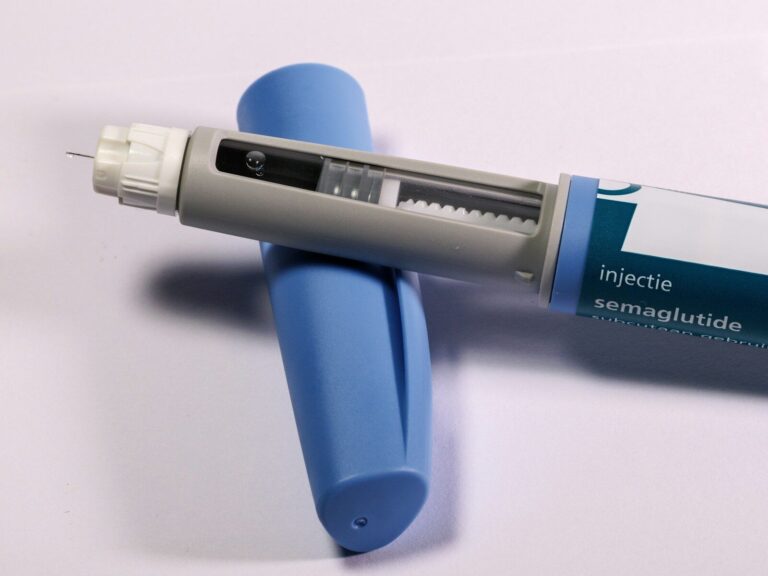
In 34,309 Israeli adults starting semaglutide for obesity, 36.5% stopped by six months and 67.6% by a year, close to US data.
Science for a Healthier Tomorrow

Science for a Healthier Tomorrow
Science for a Healthier Tomorrow
In 34,309 Israeli adults starting semaglutide for obesity, 36.5% stopped by six months and 67.6% by a year, close to US data.

In a 12-week trial of 160 adults with type 2 diabetes, minimally processed whole grains lowered HbA1c about 0.2 percentage points more than milled ones.

In 46 children of healthy weight, more ultra-processed calories tracked a stronger dorsal striatal food-cue response, but the one-year fat link was borderline.

A 12-week trial found 0.75 kg more weight loss on a probiotic strain than placebo — about 1% of body weight; no significant effect on blood pressure or lipids.

A seaweed fiber helped mice recover from colitis, but in a 48-patient ulcerative colitis trial it did not beat placebo on the registered endpoint.

In an open-label 26-week trial, adults with type 2 diabetes not on insulin lowered HbA1c 0.9 percentage points more with a CGM; the device maker paid.

A 19-year study of 461,682 older US adults found no overall link between ultra-processed food and colorectal cancer — but risk split by food type.

A 12-week trial in 108 adults 55+ found both vegetarian and omnivorous diets built muscle — but non-inferiority wasn't proven and vegetarian protein was lower.
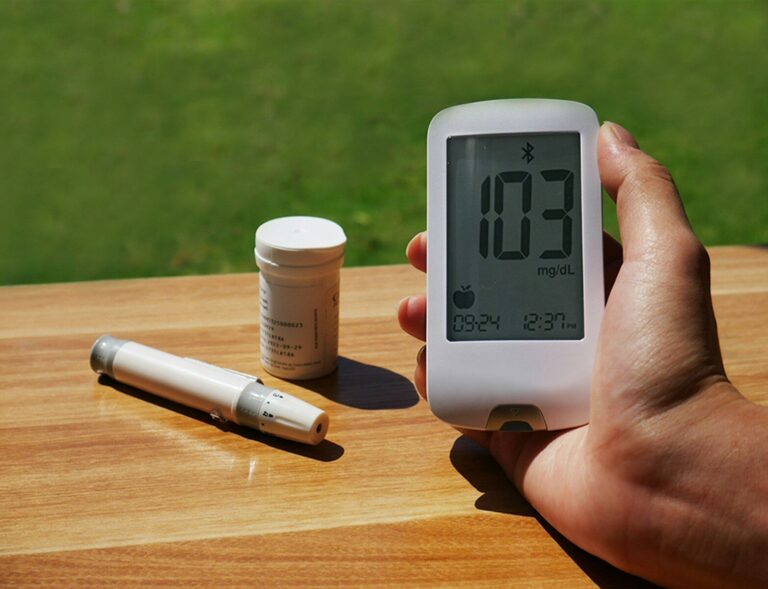
In an 810-person phase 3 trial in China, an investigational oral GLP-1 pill lowered HbA1c about as much as the diabetes pill dapagliflozin over 32 weeks.

EFSA judged inulin-propionate ester safe to add to food — a safety ruling, not a weight-loss result. The longest 12-month trial found no weight-gain difference.