Science for a Healthier Tomorrow
Is “Ultra-Processed” Just Another Word for Junk Food?

Three Swedish surveys put ultra-processed food at 22.5% to 51.5% of adult calories depending on classification, with only a small adult weight link.
Science for a Healthier Tomorrow

Science for a Healthier Tomorrow
Science for a Healthier Tomorrow
Three Swedish surveys put ultra-processed food at 22.5% to 51.5% of adult calories depending on classification, with only a small adult weight link.

A Brazilian cohort tied higher sweetener intake to slightly faster cognitive decline, but not at 60 and over and not in complete-case analysis.

A seaweed fiber helped mice recover from colitis, but in a 48-patient ulcerative colitis trial it did not beat placebo on the registered endpoint.
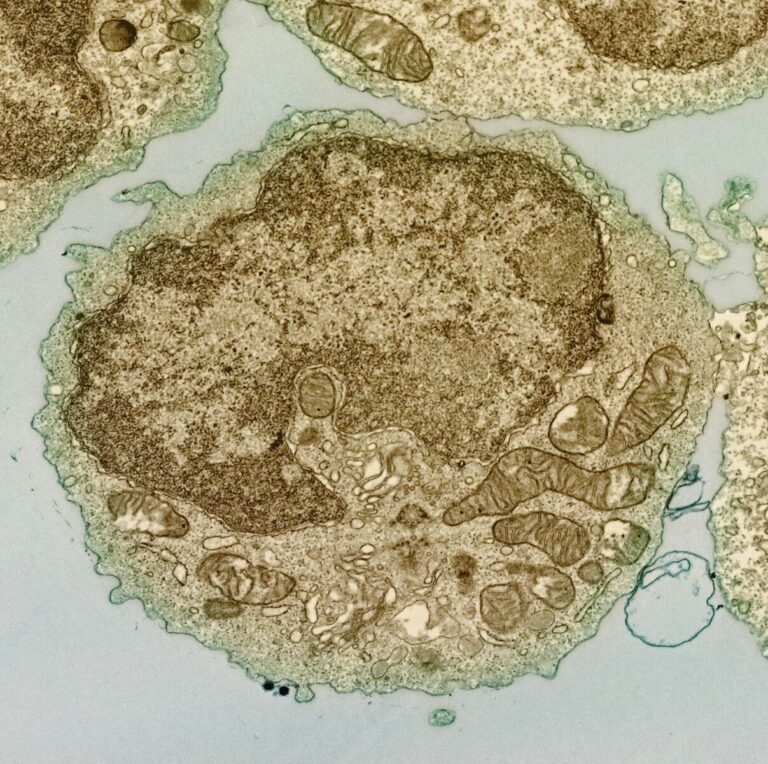
A 101,243-patient cohort links brown fat to lower odds of diabetes, and losartan to brown fat — but the metabolism claim comes from mice, not people.

A 19-year study of 461,682 older US adults found no overall link between ultra-processed food and colorectal cancer — but risk split by food type.

EFSA judged inulin-propionate ester safe to add to food — a safety ruling, not a weight-loss result. The longest 12-month trial found no weight-gain difference.

In a 96-person randomized trial, a low-energy diet plus supervised exercise put early type 2 diabetes into remission in 54% versus 4% on usual care.

A meta-analysis of 10 head-to-head studies found tirzepatide produced about 4 percentage points more weight loss than semaglutide, with more serious adverse events.

Preliminary: more ultra-processed food tracked with slightly lower attention scores and a higher dementia-risk score — a small association, not proof of cause, and no memory link.

In 55 UK adults, ultra-processed and minimally processed Eatwell diets both cut weight; the minimally processed one cut about 1 kg more. Critics dispute why.