Science for a Healthier Tomorrow
Do Most People Stay on Weight-Loss Drugs?
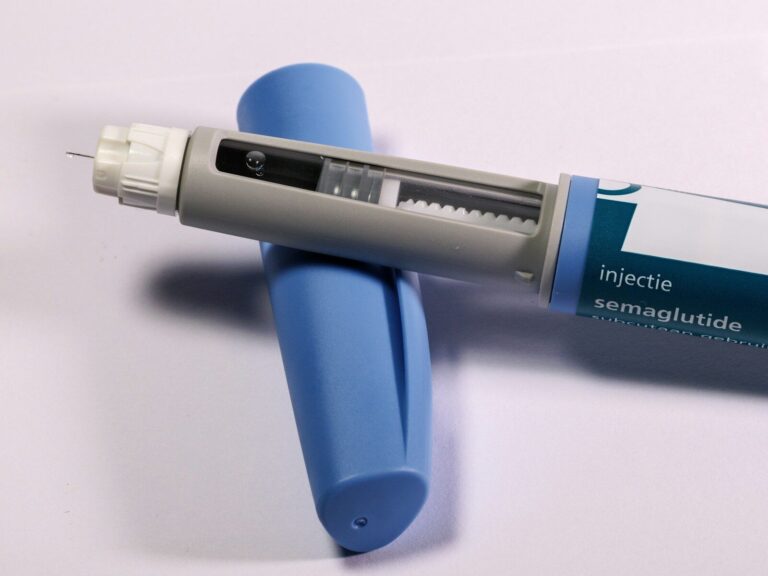
In 34,309 Israeli adults starting semaglutide for obesity, 36.5% stopped by six months and 67.6% by a year, close to US data.
Science for a Healthier Tomorrow

Science for a Healthier Tomorrow
Science for a Healthier Tomorrow
In 34,309 Israeli adults starting semaglutide for obesity, 36.5% stopped by six months and 67.6% by a year, close to US data.

A network meta-analysis of 42 trials found medication plus lifestyle counseling gave the greatest short-term BMI reduction in children and teens.

Semaglutide extended median lifespan in female mice, but the human anti-aging case rests on a company preprint and unpublished biomarker data.
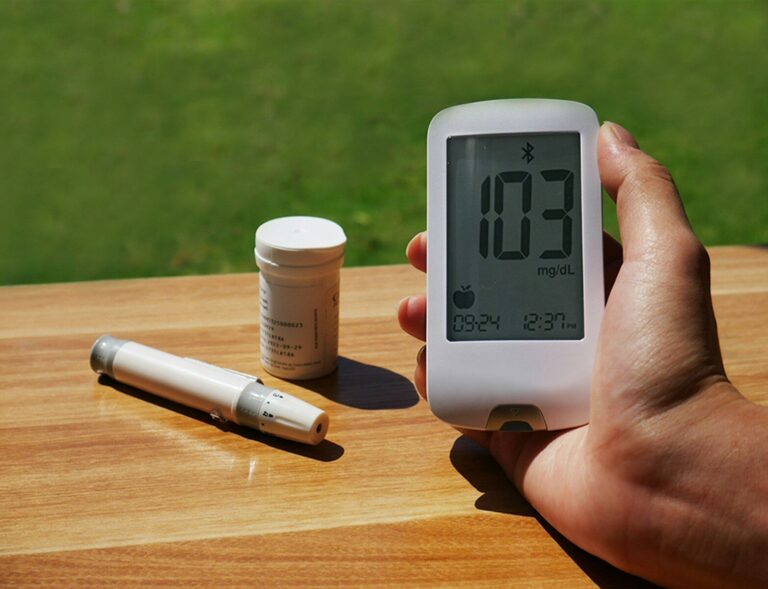
In an 810-person phase 3 trial in China, an investigational oral GLP-1 pill lowered HbA1c about as much as the diabetes pill dapagliflozin over 32 weeks.

Two Phase 3 trials found the investigational drug retatrutide produced about 25% average weight loss in obesity without diabetes and 19% with type 2 diabetes.

A meta-analysis of 10 head-to-head studies found tirzepatide produced about 4 percentage points more weight loss than semaglutide, with more serious adverse events.

The WHO's first global GLP-1 obesity guideline makes two conditional recommendations on moderate-to-low certainty evidence. Who it covers, and who it does not.

A large observational study found a 41% lower relative risk of obesity-associated cancer diagnoses in adults on GLP-1 drugs. Its design cannot show cause.

Two Nature Medicine trials tested keeping weight off: an oral GLP-1 switch after injectables, and a probiotic after dieting. Neither tested stopping treatment.

Two people can take the same GLP-1 weight-loss drug, follow the same instructions, and get completely different results. Three publications in the same week September 2026 converge on one bottom line: people's responses to these medicines vary widely, and much of that variation — like part of the drugs' heart protection — remains unexplained.