Science for a Healthier Tomorrow


Can GLP-1 Drugs Slow Aging?
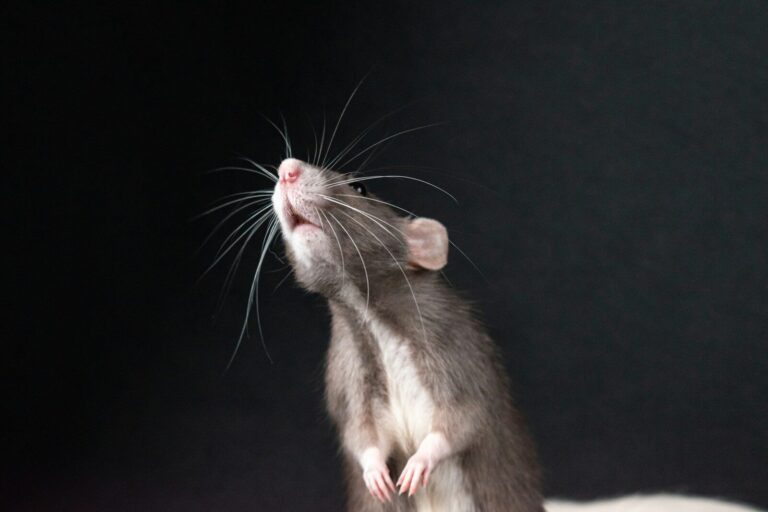
Semaglutide extended median lifespan in female mice, but the human anti-aging case rests on a company preprint and unpublished biomarker data.
Can Vegetarians Build as Much Muscle?
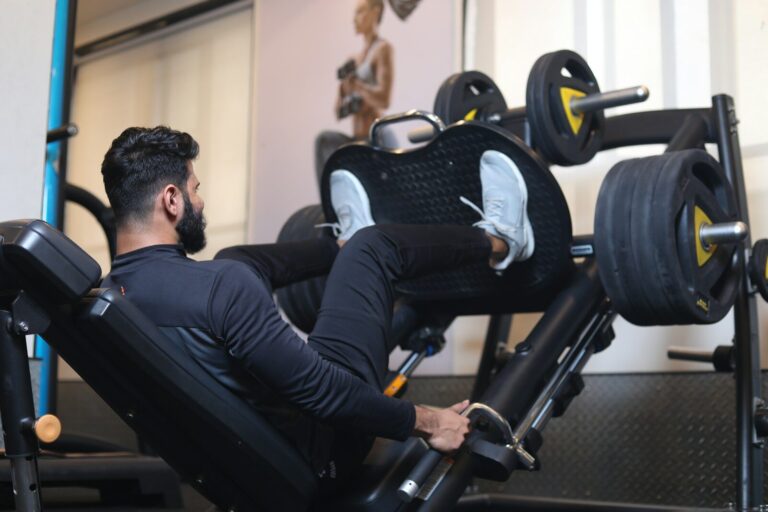
A 12-week trial in 108 adults 55+ found both vegetarian and omnivorous diets built muscle — but non-inferiority wasn’t proven and vegetarian protein was lower.
Advertisement
Does Exercise Beat Weight-Loss Drugs for Your Arteries?

In a prespecified S-LiTE analysis, one year of exercise — not liraglutide alone — tracked with thinner carotid artery walls in 130 adults with obesity.
Can Diet Stop Menopause Weight Gain?

A 12-year study of 38,283 US women tied plant-forward diets to slightly less weight gain at menopause — an association, not proof diet stops it.
Does a Longevity Diet Work in Humans?

In old mice a low-protein diet with added methionine cut fat and frailty without cutting calories but did not extend life; a human diabetes link was unadjusted.
Can a GLP-1 Pill Work as Well as a Diabetes Pill?
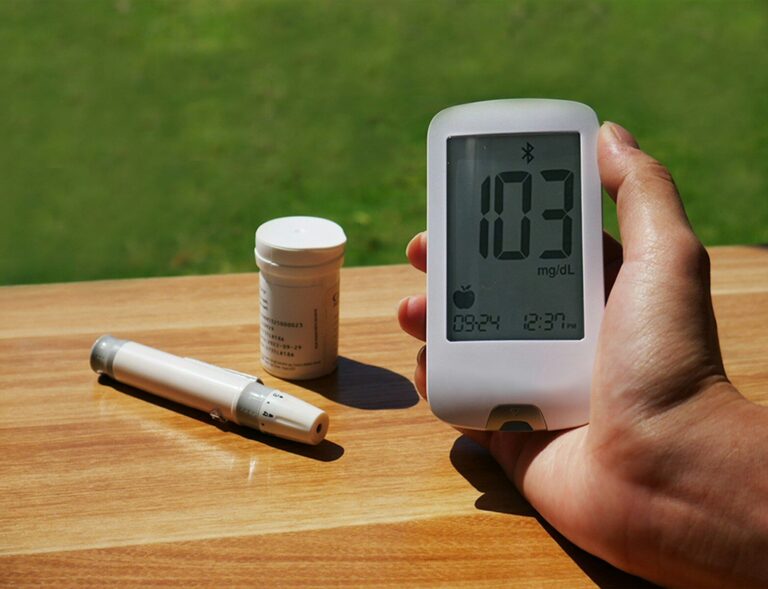
In an 810-person phase 3 trial in China, an investigational oral GLP-1 pill lowered HbA1c about as much as the diabetes pill dapagliflozin over 32 weeks.
Does the New “GLP-1 Fiber” Help You Eat Less?
EFSA judged inulin-propionate ester safe to add to food — a safety ruling, not a weight-loss result. The longest 12-month trial found no weight-gain difference.
Does Processing Change How Food Is Metabolized?

A small crossover matched two meals on calories and nutrients. Insulin, energy use and fuel choice still differed — an acute lab signal, not weight or disease.
Can Diet and Exercise Reverse Type 2 Diabetes?
In a 96-person randomized trial, a low-energy diet plus supervised exercise put early type 2 diabetes into remission in 54% versus 4% on usual care.
Does Creatine Build Muscle Without Exercise?

A 12-week trial found creatine raised lean mass by about 1.1 kg (2.4 lb) without exercise — but the estimate was imprecise and exercise status self-selected.
Do Diet Drinks Work as Well as Water for Weight Loss?

A 2-year randomized trial found adults in a weight program who drank non-nutritive-sweetened soft drinks were not worse off than water drinkers.
How Much Weight Loss Does Retatrutide Produce?

Two Phase 3 trials found the investigational drug retatrutide produced about 25% average weight loss in obesity without diabetes and 19% with type 2 diabetes.
Is Tirzepatide Better Than Semaglutide for Weight Loss?

A meta-analysis of 10 head-to-head studies found tirzepatide produced about 4 percentage points more weight loss than semaglutide, with more serious adverse events.
Does Time-Restricted Eating Work in PCOS?

A 6-month trial found a 6-hour eating window without calorie counting produced weight loss comparable to a 25% calorie cut in 76 women with PCOS — not a proven equal.
Does Eating the Same Meals Help You Lose Weight?

In a 12-week program, adults whose food logs showed more repeated foods and steadier calories lost somewhat more weight — 5.9% vs 4.3%, an association, not proof of cause.
Does Weight Loss Rewire the Gut-Brain Loop?
Preliminary: in an uncontrolled study of 25 adults who lost weight, gut-bacteria and brain-activity shifts tracked together — an association, not proof that weight loss rewires the brain.
Can Ultra-Processed Food Hurt Your Focus?

Preliminary: more ultra-processed food tracked with slightly lower attention scores and a higher dementia-risk score — a small association, not proof of cause, and no memory link.