Science for a Healthier Tomorrow




Is Tirzepatide Better Than Semaglutide for Weight Loss?

A meta-analysis of 10 head-to-head studies found tirzepatide produced about 4 percentage points more weight loss than semaglutide, with more serious adverse events.
Does Time-Restricted Eating Work in PCOS?

A 6-month trial found a 6-hour eating window without calorie counting produced weight loss comparable to a 25% calorie cut in 76 women with PCOS — not a proven equal.
Advertisement
How many daily steps lead to good weight management?

A 14-trial meta-analysis found higher step counts tracked with more weight kept off — but 8,500 steps was the average walked, not a proven target.
How to keep weight off after GLP-1 ends?

Two Nature Medicine trials tested keeping weight off: an oral GLP-1 switch after injectables, and a probiotic after dieting. Neither tested stopping treatment.
Ultra-processed food and appetite in adults 18-25
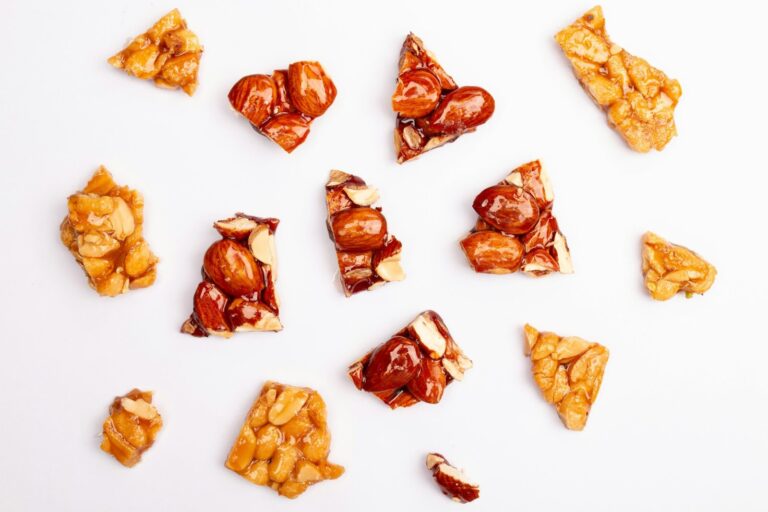
In the first controlled-feeding trial in adults 18-25, the full sample showed no difference in test-meal intake after two weeks of ultra-processed food. Only the 18-21 group ate more — an exploratory result from 11 people at a single meal.
Ultra-Processed Food and Weight Gain: What Happened When Calories Were Matched?

A crossover trial matched calories and macronutrients between ultra-processed and unprocessed diets in 43 young men. Fat mass rose about 1 kg on the ultra-processed diet; testosterone and sperm changes were non-significant trends. Two published critiques contest the interpretation.
Why do GLP-1 weight-loss drugs work differently for different people?

Two people can take the same GLP-1 weight-loss drug, follow the same instructions, and get completely different results. Three publications in the same week September 2026 converge on one bottom line: people’s responses to these medicines vary widely, and much of that variation — like part of the drugs’ heart protection — remains unexplained.
What Happens When People Stop Weight-Loss Medications

Pooled evidence from 37 studies and two withdrawal trials: about 0.4 kg regained per month after stopping (0.8 kg after semaglutide or tirzepatide), most lost weight typically returning within about a year, with cardiometabolic gains fading alongside — plus what remains projected, not measured. About 0.4 kg (about 0.9 lb) regained per month after stopping weight-loss medications — 0.8 kg (about 1.8 lb) after semaglutide or tirzepatide — and cardiometabolic gains fade too.
Testing ultra-processed food and fullness-hormone responses
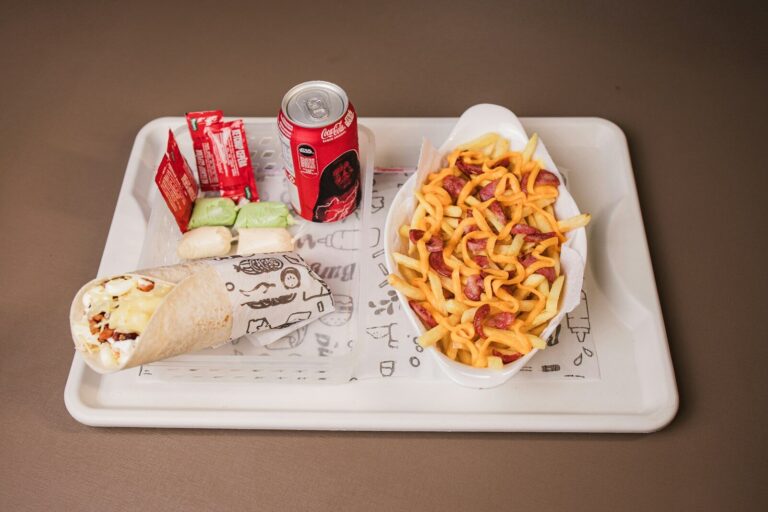
A preliminary 14-day controlled feeding trial found that a ~95% ultra-processed diet left GLP-1, PYY, ghrelin and PP responses unchanged in lean young adults — an exploratory, industry-partnership-funded null.
Does ultra-processed food impact heart health risk? 51 study meta analysis.

A meta-analysis of 51 cohorts links each extra 100 g/day of ultra-processed food to about 14% higher cardiovascular-event risk. What the low certainty rating and the missed hypertension null mean.
An 8-hour eating window showed more weight loss — in a group of 11

A preliminary pooled analysis of five time-restricted-eating trials (124 adults) found more weight loss with an 8-hour window — with caveats about subgroup size and statistical adjustment.