Science for a Healthier Tomorrow



Can Lifting Weights Protect Muscle on GLP-1 Drugs?
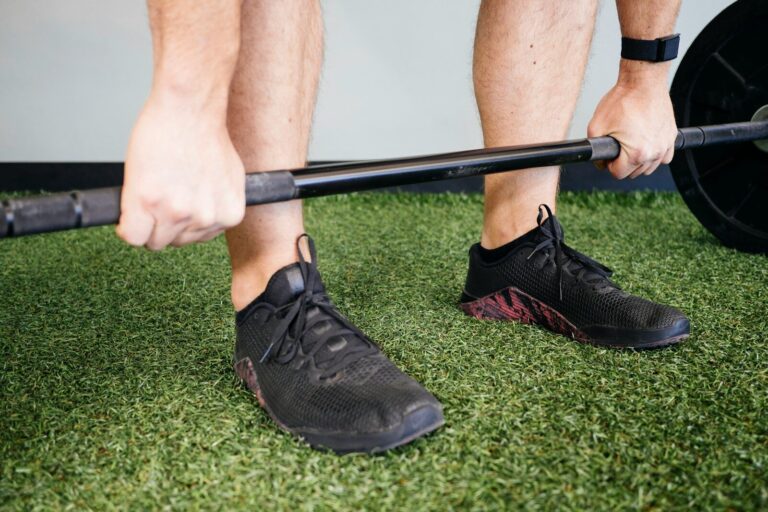
Supervised lifting on tirzepatide spared an estimated half-kilo of muscle and reversed strength declines. What changed — and what the trial cannot show.
How Much Muscle Loss Do GLP-1 Drugs Really Cause?
The 40% muscle-loss figure is real arithmetic from a scan that cannot see muscle. What the trials show, and what training changed.
Advertisement
Is Tirzepatide Better Than Semaglutide for Weight Loss?

A meta-analysis of 10 head-to-head studies found tirzepatide produced about 4 percentage points more weight loss than semaglutide, with more serious adverse events.
Does Time-Restricted Eating Work in PCOS?

A 6-month trial found a 6-hour eating window without calorie counting produced weight loss comparable to a 25% calorie cut in 76 women with PCOS — not a proven equal.
Does Eating the Same Meals Help You Lose Weight?

In a 12-week program, adults whose food logs showed more repeated foods and steadier calories lost somewhat more weight — 5.9% vs 4.3%, an association, not proof of cause.
Does Weight Loss Rewire the Gut-Brain Loop?
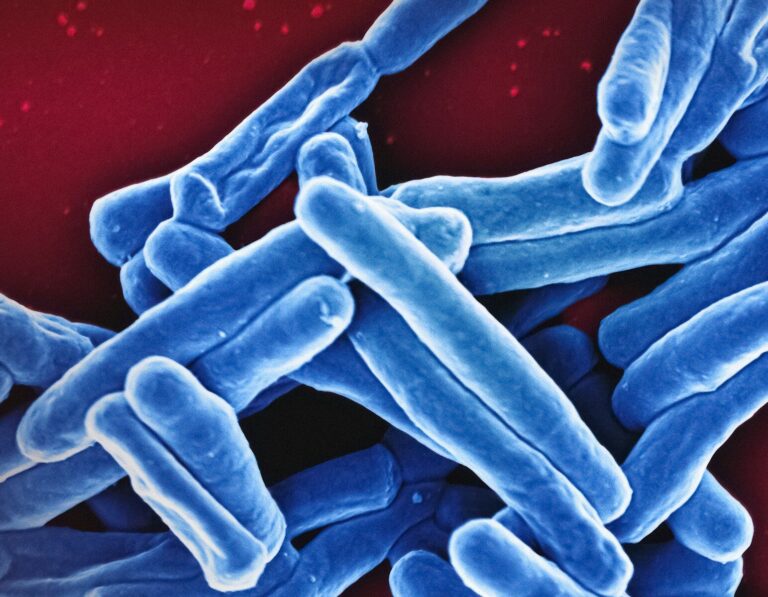
Preliminary: in an uncontrolled study of 25 adults who lost weight, gut-bacteria and brain-activity shifts tracked together — an association, not proof that weight loss rewires the brain.
Can Ultra-Processed Food Hurt Your Focus?

Preliminary: more ultra-processed food tracked with slightly lower attention scores and a higher dementia-risk score — a small association, not proof of cause, and no memory link.
Does WHO Recommend Weight Loss Drugs?

The WHO’s first global GLP-1 obesity guideline makes two conditional recommendations on moderate-to-low certainty evidence. Who it covers, and who it does not.
Is “Healthy” Ultra-Processed Food as Good?

In 55 UK adults, ultra-processed and minimally processed Eatwell diets both cut weight; the minimally processed one cut about 1 kg more. Critics dispute why.
Do Weight Loss Drugs Lower Cancer Risk?

A large observational study found a 41% lower relative risk of obesity-associated cancer diagnoses in adults on GLP-1 drugs. Its design cannot show cause.
Can Keto Help Anorexia Nervosa?

Preliminary: a supervised ketogenic diet was tolerable in 22 adults with anorexia nervosa — a single-arm trial that cannot show it worked.
Does Time Restricted Eating Work?

In a two-week crossover trial, 31 women ate inside an 8-hour window. Insulin sensitivity and cardiometabolic markers did not improve — an imprecise null.
Does Cutting Processed Foods Improve Health?

A small trial in adults 65+ cut ultra-processed food to about 13% of calories: they ate less, lost about 4 kg, and markers improved — but the cause is unclear.
How many daily steps lead to good weight management?

A 14-trial meta-analysis found higher step counts tracked with more weight kept off — but 8,500 steps was the average walked, not a proven target.
How to keep weight off after GLP-1 ends?

Two Nature Medicine trials tested keeping weight off: an oral GLP-1 switch after injectables, and a probiotic after dieting. Neither tested stopping treatment.
Ultra-processed food and appetite in adults 18-25
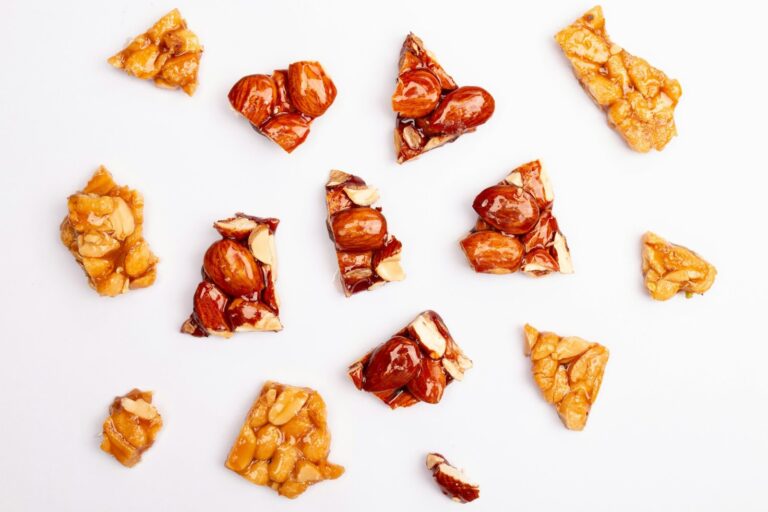
In the first controlled-feeding trial in adults 18-25, the full sample showed no difference in test-meal intake after two weeks of ultra-processed food. Only the 18-21 group ate more — an exploratory result from 11 people at a single meal.
Ultra-Processed Food and Weight Gain: What Happened When Calories Were Matched?
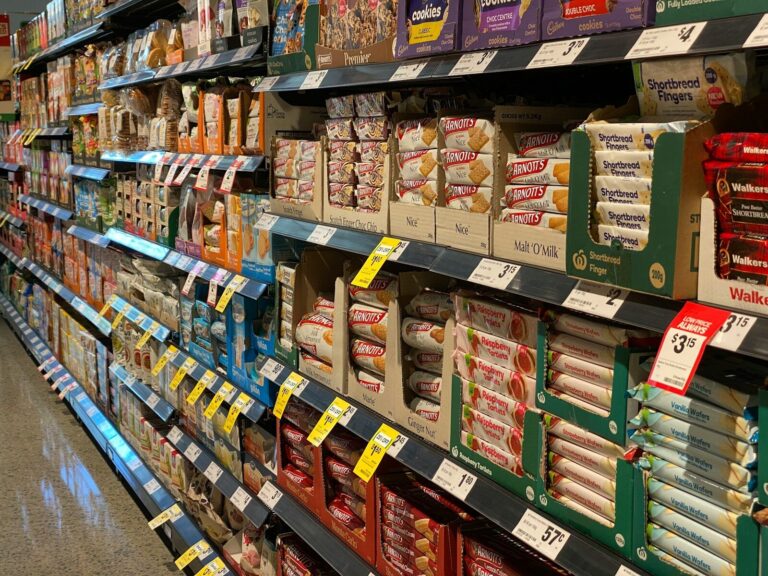
A crossover trial matched calories and macronutrients between ultra-processed and unprocessed diets in 43 young men. Fat mass rose about 1 kg on the ultra-processed diet; testosterone and sperm changes were non-significant trends. Two published critiques contest the interpretation.