Science for a Healthier Tomorrow
Can Diet and Exercise Reverse Type 2 Diabetes?
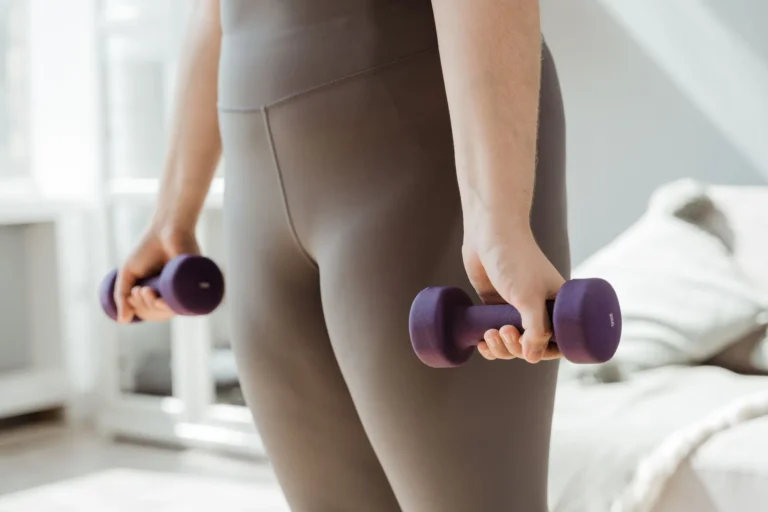
In a 96-person randomized trial, a low-energy diet plus supervised exercise put early type 2 diabetes into remission in 54% versus 4% on usual care.
Science for a Healthier Tomorrow

Science for a Healthier Tomorrow
Science for a Healthier Tomorrow
In a 96-person randomized trial, a low-energy diet plus supervised exercise put early type 2 diabetes into remission in 54% versus 4% on usual care.

A 6-month trial found a 6-hour eating window without calorie counting produced weight loss comparable to a 25% calorie cut in 76 women with PCOS — not a proven equal.

In a two-week crossover trial, 31 women ate inside an 8-hour window. Insulin sensitivity and cardiometabolic markers did not improve — an imprecise null.

A small trial in adults 65+ cut ultra-processed food to about 13% of calories: they ate less, lost about 4 kg, and markers improved — but the cause is unclear.
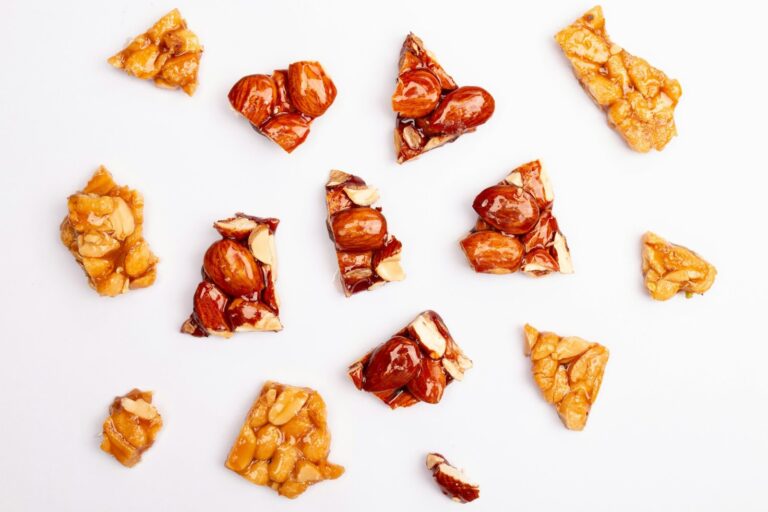
In the first controlled-feeding trial in adults 18-25, the full sample showed no difference in test-meal intake after two weeks of ultra-processed food. Only the 18-21 group ate more — an exploratory result from 11 people at a single meal.
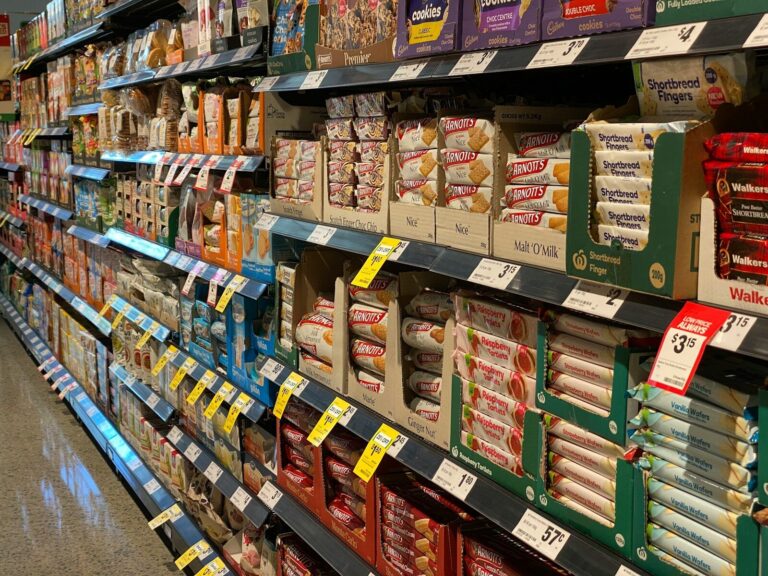
A crossover trial matched calories and macronutrients between ultra-processed and unprocessed diets in 43 young men. Fat mass rose about 1 kg on the ultra-processed diet; testosterone and sperm changes were non-significant trends. Two published critiques contest the interpretation.
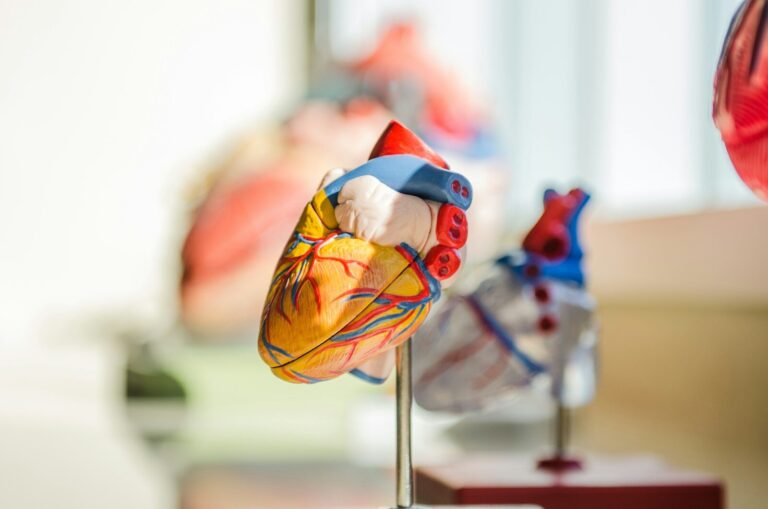
A meta-analysis of 51 cohorts links each extra 100 g/day of ultra-processed food to about 14% higher cardiovascular-event risk. What the low certainty rating and the missed hypertension null mean.

A randomized trial of provided meals found keto cut liver fat more at matched ~10% weight loss, while muscle insulin sensitivity rose ~50% in all three diets and LDL/ApoB showed no differences.