Science for a Healthier Tomorrow

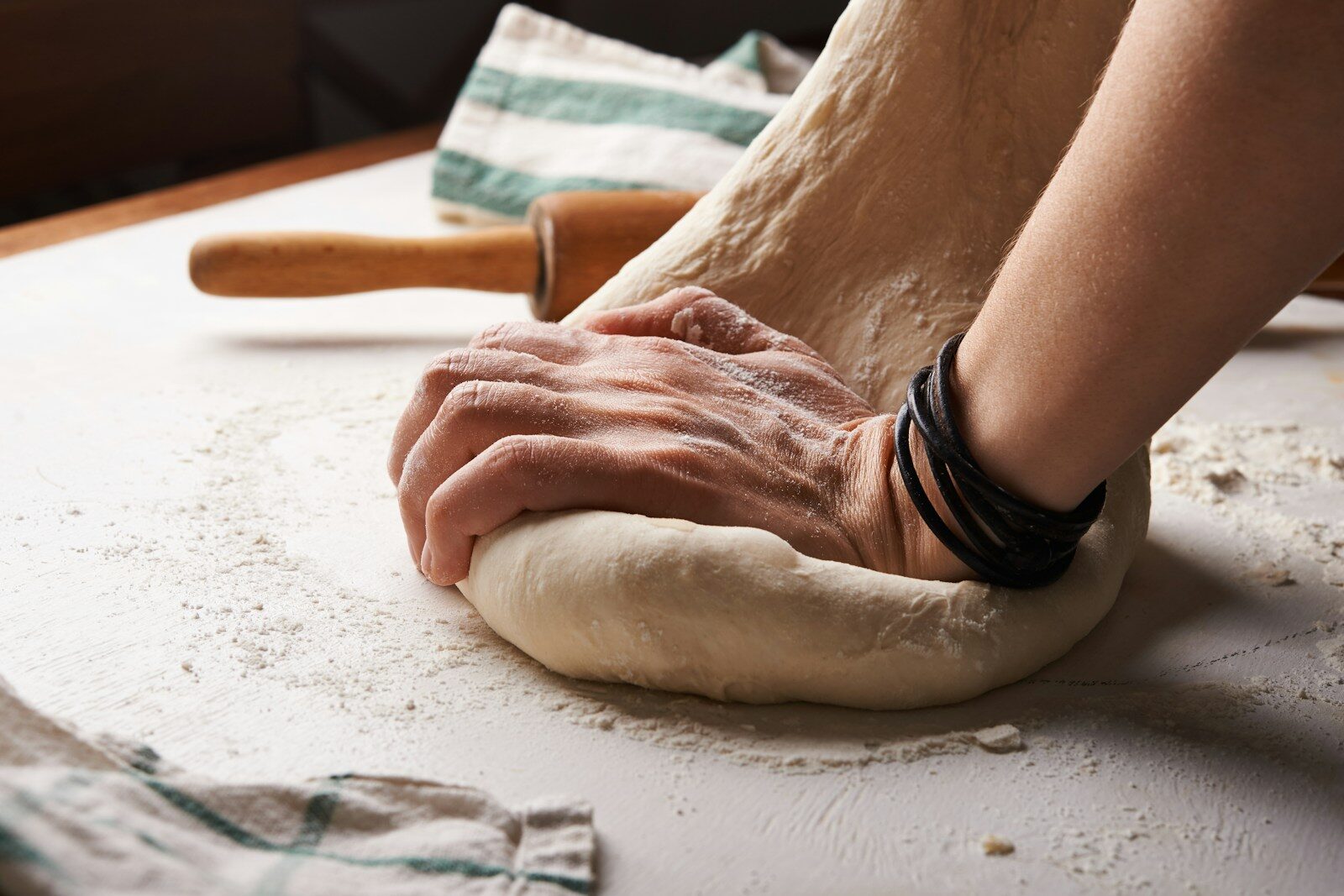

In adults with type 2 diabetes, whole-grain foods that were minimally processed lowered HbA1c slightly more than finely milled whole grains over 12 weeks — about two-tenths of a percentage point — with no difference in weight.
Twelve weeks of free whole-grain foods lowered HbA1c 2.2 mmol/mol — about 0.2 percentage points — more when the grain was minimally processed instead of finely milled, in 160 adults with type 2 diabetes. Both groups ate whole grain, and weight did not differ between them.
What this means
For adults with type 2 diabetes, how finely a whole grain is milled may matter a little: the less-processed group finished with HbA1c about 0.2 percentage points lower. The interval nearly reaches zero and no clinical outcome was measured, so this is not a reason to expect better control. Both arms ate whole grain.
What the trial found
Researchers randomized 160 adults with type 2 diabetes to 12 weeks of free, delivered whole-grain foods, made from wheat, rice and oats, that differed in how finely the grain had been milled. Participants were advised to swap their usual grain foods for them; the study foods supplied about 20% of dietary energy. Baseline HbA1c averaged 56.4 mmol/mol, mean age was 58.5 years and mean BMI 33.7.
At 12 weeks, HbA1c was 2.2 mmol/mol lower on the minimally processed foods than on the milled foods (95% CI -4.2 to -0.1), roughly 0.2 percentage points, with both arms eating whole grain, so the comparison isolates processing, not refining. It is not whole grain against white flour. Grain and nutrient intakes did not differ between groups, and body weight did not differ between arms. Of 160 randomized, 143 (89%) gave end-of-trial blood samples. Among secondary and exploratory outcomes, one improved: self-reported bowel habits, favoring the less processed foods.
What it does not show
The interval’s upper bound, -0.1 mmol/mol, sits essentially at zero, so an effect close to none fits the data. No clinical outcome was measured, so nothing here shows that diabetes is better controlled or that complications are affected. “Clinically relevant” is the abstract’s framing of its own question, not a demonstrated benefit.
The trial extends one group’s earlier work. A 2020 two-week crossover by the same investigators, 31 adults wearing continuous glucose monitors, found 9% lower post-breakfast glucose (95% CI 3% to 15%) and 6% lower across all meals (1% to 10%) with less processed whole grains, and a 0.81 kg (about 1.8 lb) between-arm weight difference (95% CI 0.62 to 1.05 kg) this trial did not reproduce. Neither trial has been replicated outside the team.
Only the abstract was available to us at press time, so per-protocol results and the paper’s tables went unexamined; the registry record, ACTRN12622000060741, is publicly readable, and it states recruitment in New Zealand, with central computerized randomization stratified by insulin use and masking of the people giving the treatments and assessing the outcomes. Crossref lists the funders as the Riddet Institute and the Lottery Health Research Committee; author conflicts were not readable.
Terms explained
- HbA1c — a blood test reflecting average glucose over roughly the previous two to three months.
- mmol/mol — the unit most countries use for HbA1c; 2.2 mmol/mol is about 0.2 percentage points.
- Whole grain, refined grain — whole grain keeps the bran and germ; refined grain has both milled away. Both arms here ate whole grain.
Sources
- Reynolds AN, Hood F, Iosua E, et al. Impact of minimally processed versus milled whole grains on glycaemic control in type 2 diabetes: A 12-week randomised trial. The American Journal of Clinical Nutrition. Published Oct. 26, 2026. doi:10.1016/j.ajcnut.2026.101601 · PMID: 42933538. Abstract only.
- Whole-Grain Processing and Glycemic Control in Type 2 Diabetes: A Randomized Crossover Trial. Diabetes Care. 2020;43(8):1717-1723. doi:10.2337/dc20-0263 · PMID: 32424022 · https://pmc.ncbi.nlm.nih.gov/articles/PMC7372063/