Science for a Healthier Tomorrow
Does the New “GLP-1 Fiber” Help You Eat Less?
EFSA judged inulin-propionate ester safe to add to food — a safety ruling, not a weight-loss result. The longest 12-month trial found no weight-gain difference.
Science for a Healthier Tomorrow

Science for a Healthier Tomorrow
Science for a Healthier Tomorrow

EFSA judged inulin-propionate ester safe to add to food — a safety ruling, not a weight-loss result. The longest 12-month trial found no weight-gain difference.

A small crossover matched two meals on calories and nutrients. Insulin, energy use and fuel choice still differed — an acute lab signal, not weight or disease.
In a 96-person randomized trial, a low-energy diet plus supervised exercise put early type 2 diabetes into remission in 54% versus 4% on usual care.

A 12-week trial found creatine raised lean mass by about 1.1 kg (2.4 lb) without exercise — but the estimate was imprecise and exercise status self-selected.

A 2-year randomized trial found adults in a weight program who drank non-nutritive-sweetened soft drinks were not worse off than water drinkers.

Two Phase 3 trials found the investigational drug retatrutide produced about 25% average weight loss in obesity without diabetes and 19% with type 2 diabetes.

A meta-analysis of 10 head-to-head studies found tirzepatide produced about 4 percentage points more weight loss than semaglutide, with more serious adverse events.

A 6-month trial found a 6-hour eating window without calorie counting produced weight loss comparable to a 25% calorie cut in 76 women with PCOS — not a proven equal.

In a 12-week program, adults whose food logs showed more repeated foods and steadier calories lost somewhat more weight — 5.9% vs 4.3%, an association, not proof of cause.
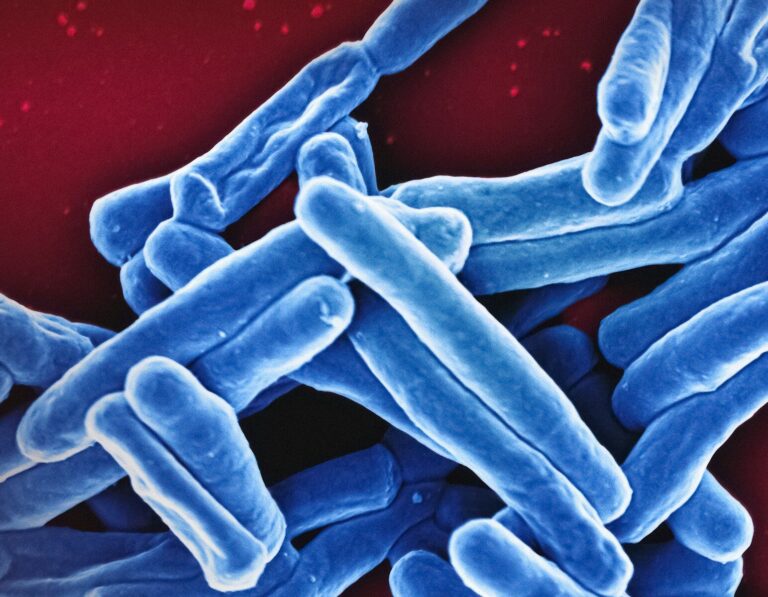
Preliminary: in an uncontrolled study of 25 adults who lost weight, gut-bacteria and brain-activity shifts tracked together — an association, not proof that weight loss rewires the brain.